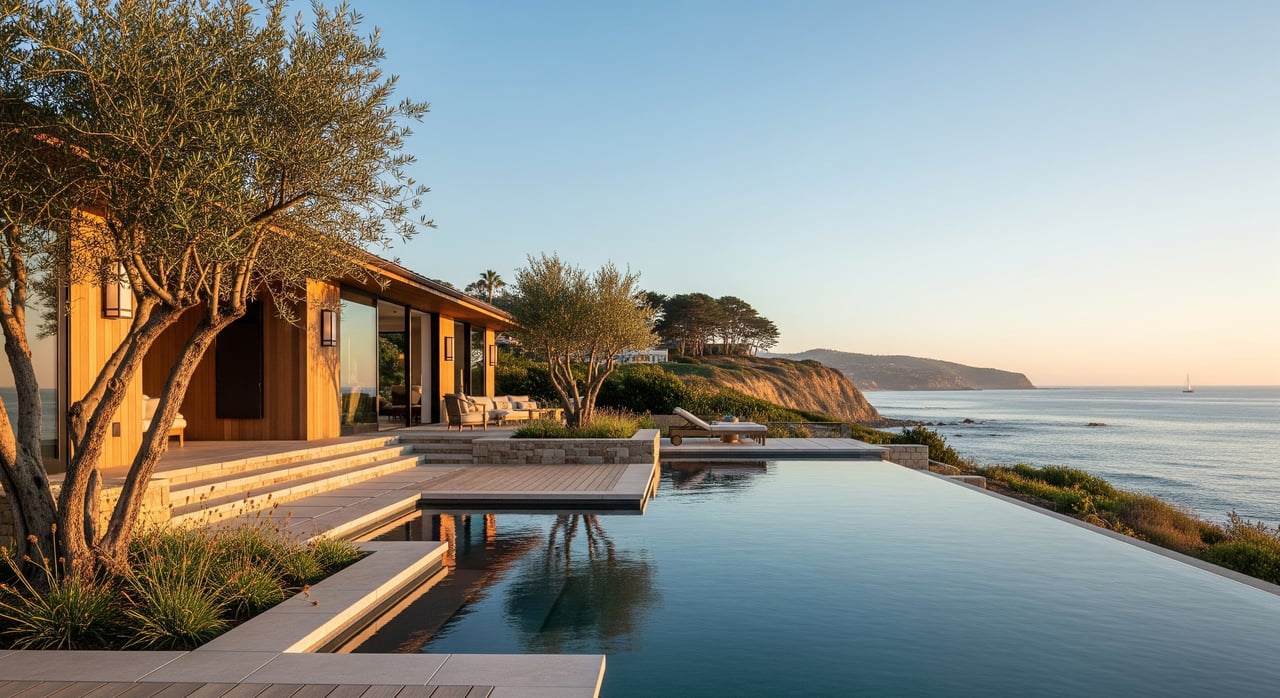
Are you torn between waking up steps from the sand or watching the sunset from a quiet ridge line? Buying in Del Mar often means choosing between coastal walkability and hillside privacy. Both options deliver an incredible lifestyle, yet each carries unique maintenance needs, risks, and offer strategies. In this guide, you’ll learn the key trade‑offs, what to inspect, and how to structure a smart offer for either setting. Let’s dive in.
Coastal vs hillside at a glance
Coastal strengths
- Walkability to shops, dining, and beaches
- Immediate ocean access and a mild marine microclimate
- Strong lifestyle appeal and seasonal rental demand
Coastal trade‑offs
- Salt air accelerates corrosion and exterior wear
- Some parcels face bluff, erosion, flood, or tsunami risk
- Smaller lots, denser village living, and stricter coastal permits
Hillside strengths
- Larger lots and more privacy
- Panoramic ocean or canyon views
- More space for landscaping or accessory structures
Hillside trade‑offs
- Higher wildfire exposure in some areas
- Slope stability, drainage, and retaining‑wall upkeep
- Less walkable with longer trips to the beach or village
Lifestyle fit: who thrives where
- Walkers and entertainers: You want a beach lifestyle with minimal driving. Village living puts coffee, dining, and sand within easy reach.
- View seekers and privacy lovers: You value space, quiet, and big horizon lines. Hillside living trades walkability for serenity and room to spread out.
- Investment‑minded buyers: Proximity to the coast can command strong seasonal rental demand. Confirm local rules before counting on short‑term rentals.
Coastal living realities
Walkability and access
Village homes often place you near dining, retail, and the beach. You gain a relaxed, car‑light routine and strong lifestyle value. Expect more activity during peak seasons and events.
Salt air maintenance
Salt air speeds up corrosion on metal fasteners, HVAC coils, railings, and exterior fixtures. Plan for marine‑grade materials, more frequent repainting, and earlier replacement of mechanicals and pool equipment. Maintenance budgets should reflect these shorter lifecycles.
Bluff, flood, and tsunami factors
If a property sits on or near a coastal bluff or low‑lying beachfront, evaluate bluff retreat, erosion, and flood or tsunami exposure. Some improvements near the bluff or public tidelands require a Coastal Development Permit and may be reviewed under the Local Coastal Program. Specialist engineering is essential for long‑term stability planning.
Parking, noise, and events
Village living increases convenience but can reduce private parking and increase visitor logistics. Traffic and pedestrian activity rise during fairgrounds and racetrack seasons. Walkability offsets some hassle, yet you should plan for guest parking and deliveries.
Remodeling near the coast
Projects near bluffs or public tidelands often need coastal approvals. Permit timelines can be longer and engineering more involved. Understand requirements up front if you plan to add decks, beach access, or major exterior changes.
Hillside living realities
Privacy, views, and space
Hillside areas such as Del Mar Heights typically offer larger lots and a quieter setting. Many homes enjoy panoramic ocean or canyon views and more room for gardens or accessory structures. The trade‑off is a longer trip to village amenities and the beach.
Geotechnical and drainage needs
Hillside sites rely on sound soils, well‑designed drainage, and properly engineered retaining walls. Older walls may not meet today’s standards. Poor drainage can undermine foundations or erode slopes during heavy rains. A thorough geotechnical review is vital.
Wildfire readiness
Some hillside zones face higher wildfire exposure, especially near natural open space like the Torrey Pines area. You may need defensible space and ongoing brush clearance. Insurance availability and premiums can vary by risk profile.
Roads, access, and services
Narrow or steep roads can affect daily life and emergency access. Confirm utility connections, including whether the home is on municipal sewer or septic. Steeper terrain can also influence construction logistics and costs.
Microclimate differences
Ridge lines can be cooler and windier. Coastal areas enjoy more stable temperatures from the marine layer. Consider how wind and fog patterns affect outdoor living and energy use.
Due diligence checklist
Core documents to review
- Transfer Disclosure Statement and Seller Property Questionnaire
- Natural Hazard Disclosure for flood, fire, and earthquake zones
- HOA documents, including CC&Rs and meeting minutes, if applicable
- Any Coastal Development Permits or open code enforcement items
- Records of bluff stabilization, retaining wall work, or landslide history
- Title report and easements, including public access or view easements
If you are buying coastal or bluff‑adjacent
- Coastal bluff engineering report for stability and setback projections
- Coastal hazards and sea‑level rise review over 25 to 50 years
- Structural inspection focused on foundations near bluff edges
- Marine corrosion assessment for systems and building envelope
- Standard general home, roof, and wood‑destroying organism inspections
If you are buying hillside
- Detailed geotechnical soils report focused on slope stability and liquefaction
- Engineer review of drainage design and existing retaining walls
- Wildfire hazard assessment and defensible‑space compliance check
- Standard general home, termite, roof, and mechanical inspections
- Septic or sewer lateral evaluation where applicable
Timing and contingency tips
- Allow extra inspection time for specialist reports, which can take weeks
- Condition your offer on satisfactory review of engineering reports and permits
- Verify insurability for flood or wildfire and confirm acceptable terms and deductibles
Insurance and financing checkpoints
- Homeowner’s insurance: Ask carriers about wind, corrosion, and other exclusions. Mechanical corrosion claims may be impacted by the coastal environment.
- Flood insurance: Required if a financed property lies in a designated flood zone.
- Wildfire insurance: Availability and premiums vary in hillside zones. Shop multiple carriers and confirm deductibles.
- Lender needs: Some lenders require additional engineering for bluff or steep‑slope properties. Clarify early so your timeline and contingencies match lender requirements.
Offer strategy that protects you
Competing on coastal homes
Walkable coastal homes draw heavy interest. Keep your offer strong but protected. Include inspections that allow for coastal and bluff engineering review. If hazards are material, tie your offer to confirming insurability and obtaining cost estimates for necessary maintenance or mitigation.
Protecting hillside offers
For hillside homes, prioritize a geotechnical contingency and time to evaluate drainage and retaining walls. If wildfire risk or access constraints are present, include a contingency for reviewing Fire Authority requirements and insurance quotes.
Negotiation levers that work
Well‑documented cost estimates from engineers or contractors are powerful. Use projected maintenance or mitigation costs, differences in insurance premiums, and lifecycle replacements to justify price adjustments or seller credits. Consider longer contingency periods for complex properties, and calibrate your earnest money to show strength while preserving rights under contingencies.
Resale outlook and long‑term value
Coastal homes often maintain strong lifestyle demand, yet long‑term hazards such as bluff retreat and sea‑level rise can influence future buyer pools, financing, and insurance. Hillside homes attract buyers who value privacy and views, but maintenance and wildfire exposure can shape marketability. Clear disclosures are essential in either case, including any known hazards or prior stabilization work.
Quantify costs upfront so there are fewer surprises at resale. For coastal, estimate repainting cycles, marine‑grade material premiums, and earlier mechanical replacements. For hillside, price out drainage improvements, retaining wall work, and annual brush clearance. This clarity helps you compare homes apples to apples and supports a smooth future sale.
How I help you choose confidently
You deserve a clear, investor‑informed path to the right Del Mar home. I combine a practical lens on ROI and maintenance with hands‑on guidance. Before you write an offer, we coordinate with your lender, insurance broker, and the right specialists, then structure contingencies that protect you without dulling your edge. If you plan improvements, we map permit steps and timelines early. When it is time to negotiate, we use documented costs and risk findings to secure fair pricing or credits.
If you are comparing coastal walkability with hillside privacy, I will help you see the full picture so you can move forward with confidence. Ready to explore the best options for you in Del Mar? Connect with Lorenzo Sorano.
FAQs
How close to the bluff is too close in Del Mar?
- It depends on a coastal engineer’s geotechnical setback recommendation and projected bluff retreat; obtain a specialized bluff report before committing.
Can you insure a Del Mar hillside home?
- Often yes, but premiums and deductibles vary by risk; get quotes from multiple carriers early and confirm defensible‑space requirements.
Does salt air add major maintenance costs near the beach?
- Expect more frequent repainting and earlier replacement of metal components and mechanicals; use marine‑grade materials and request contractor estimates.
What permits are needed to remodel near the bluff?
- Many projects require a Coastal Development Permit plus local building permits; check requirements before planning decks, access stairs, or exterior work.
Should you waive inspections to win a Del Mar home?
- It is risky for bluff or hillside properties; include specialist contingencies for geotechnical or coastal engineering to protect your investment.